English
 Español
Steam With Intent: The Hair Straightener Brush, Rethought
For buyers and OEM sourcing teams, the real test is not whether steam helps, but which performance factors decide the difference between a smooth finish and a damaged cuticle.
The Problem That Steam Actually Solves
Steam can reduce heat damage, but only when the tool controls vapor precisely. Frizz and dryness are the two most common complaints in the hair styling category. A traditional flat iron relies on high temperature to compress the cuticle, and when the tool passes over the same section multiple times, the heat can strip away the moisture that keeps the hair shaft flexible. A steam hair straightener brush introduces water vapor before the hot plate makes contact, allowing the cuticle to respond at a gentler temperature.
Steam is not a replacement for heat. It is a conditioner that lets heat work with less friction and less damage.
For sourcing teams, the implication is clear: the product must balance two competing variables. If the vapor output is too low, the tool behaves like an ordinary heated brush with a water tank. If the vapor output is too high, the hair stays wet and the style loses its hold. The best products are designed around a steady, controllable release of steam.
What Defines a Genuine Steam Hair Straightener Brush
A real steam brush is defined by a short list of engineering tolerances. These include how the water is atomized, whether the reservoir is removable, how quickly the heating element recovers after each pass, and how tightly the comb teeth sit against the heating plate. These are practical questions of tolerance and repeatability.
Three Technical Directions in One Category
Steam hair straighteners focus on smoothing and alignment. Steam-aqua styling combs work as a finishing tool, polishing the surface after a blowout. Steam spray fluffers target root volume and light conditioning. For an OEM buyer, choosing the wrong sub-type can mean a product that does not fit the intended retail channel.
| Technology direction | Primary outcome | Best for |
|---|---|---|
| Steam hair straightener | Smoothing and straightening | Coarse or frizzy hair |
| Steam-aqua styling comb | Polishing and finishing | Fine to medium hair |
| Steam spray fluffer | Root volume and light conditioning | Thin hair and daily touch-ups |
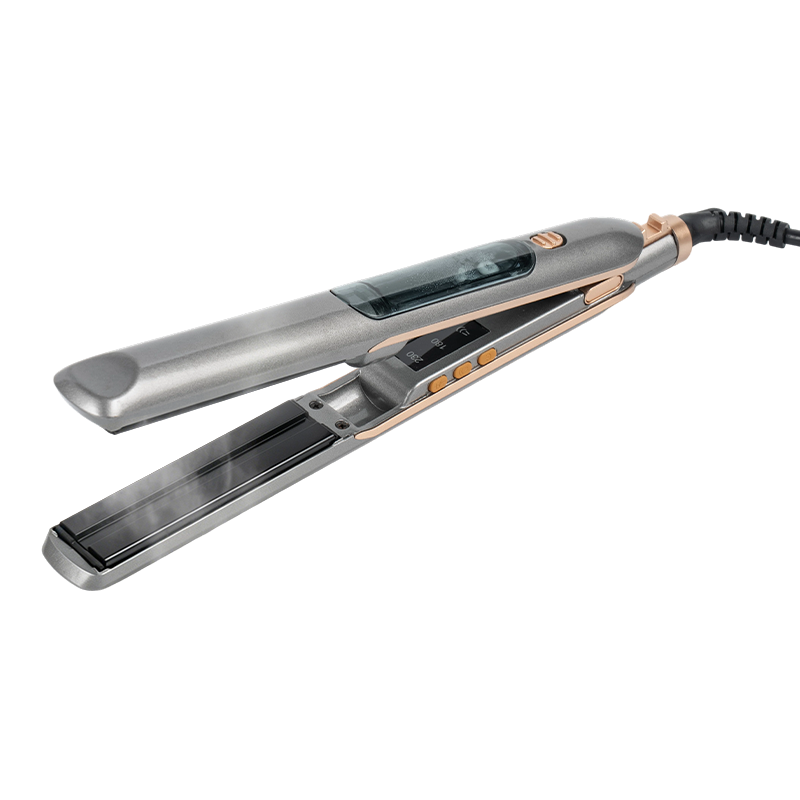
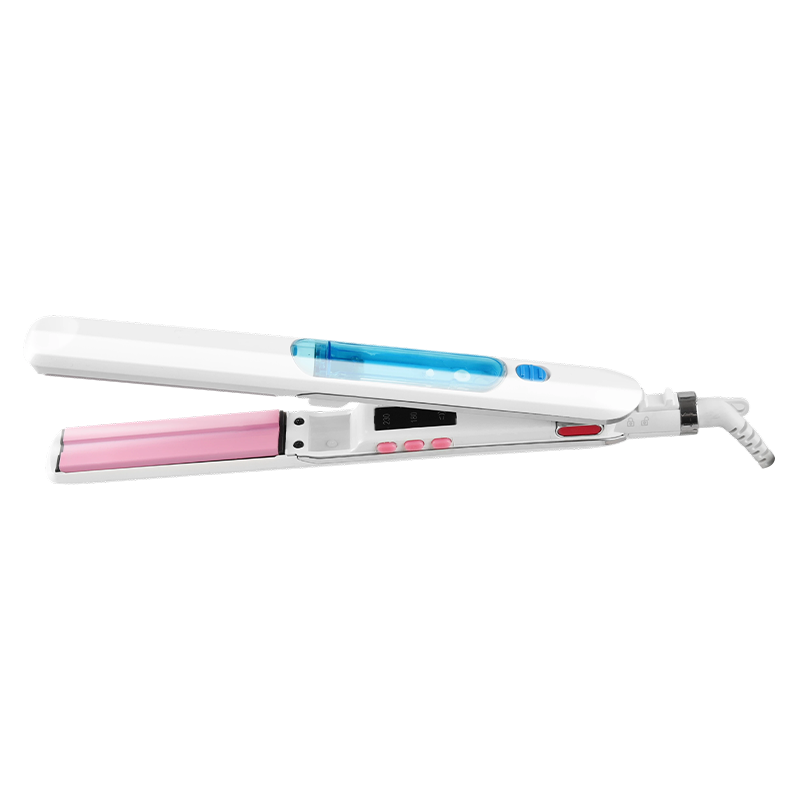 Nanoscale Steam Balance Hair Straightener with Moisture-Locking TechnologyThis professional spray steam straightener uses nano-water ion technology to moisturize hair while styling, reducing dryness and frizz. With dual temperature settings and auto shut-off, it suits varied hair types and travel use.View Product →
Safety, Material Quality, and the Cost of Cutting Corners
Safety is where low-cost steam products usually come apart. Steam adds a layer of complexity to electrical styling tools. A poorly sealed water reservoir, an exposed steam outlet, or plastic parts with insufficient heat tolerance can quickly turn a promising product into a liability. Buyers should ask for insulation test results, high-temperature material certificates, and details on the steam nozzle anti-scald design.
Do not accept a supplier that cannot provide a clear safety manual or third-party test data for the steam system. Vague answers here should be treated as a red flag.
These questions are not theoretical. The difference between an import that passes basic inspection and one that lasts years in the field often comes down to small engineering decisions. For more on these judgment calls, read how to tell if a hair straightener is safe.
What the End Consumer Actually Notices
Consumers notice a good steam brush within two uses. They may not read spec sheets, but they quickly observe start-up time, whether the vapor arrives evenly, the absence of burning smell, and how gently the comb moves through the hair. These are all visible in the first purchase experience.
For fine hair that only needs a final polish, a water-light comb with a small steam output can offer a quieter finish. The tool should not leave the hair feeling damp or sticky, and it should release enough vapor to allow brushing without dragging. One example of this sub-type is the steam-aqua atomized styling comb, which delivers light moisture in a format that feels closer to a brush than a flat iron.
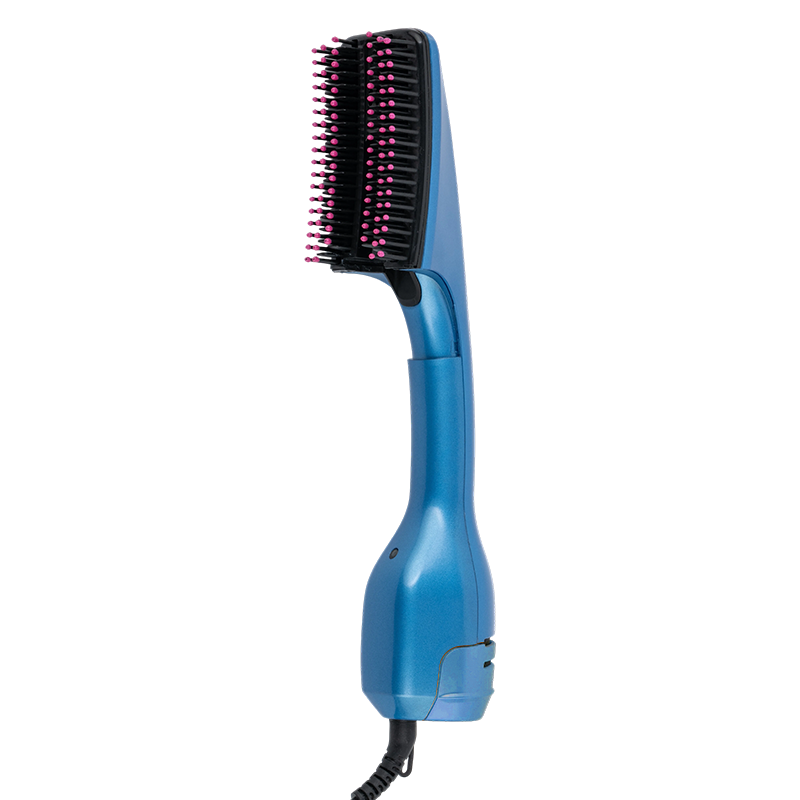 Steam Aqua Atomized Styling Comb for Moisture-Enhanced StylingThis 750W styling comb combines hot air and steam to smooth frizz and replenish moisture. It offers two heat settings and a cool shot, ideal for damaged or curly hair, with a 360-degree cord to prevent tangles.View Product →
Consumers do not read spec sheets. They trust the tool whose steam feels even and whose finish does not dry their hair.
Choosing a Manufacturing Partner With Real Steam Expertise
Reliable steam products come from partners who understand mold and sealing. Water accumulation inside the reservoir, condensation inside the heating area, and gradual wear of the rubber seals are common failure points. A manufacturer that designs and builds its own molds is usually better positioned to fix these issues before they reach production.
One example of an integrated OEM/ODM partner is Yayi Electrical, which has ten years of experience combining R&D, mold development, and full production. The company steam line includes a spray fluffer that targets root lift and light water-ion conditioning for customers who want a less aggressive styling experience.
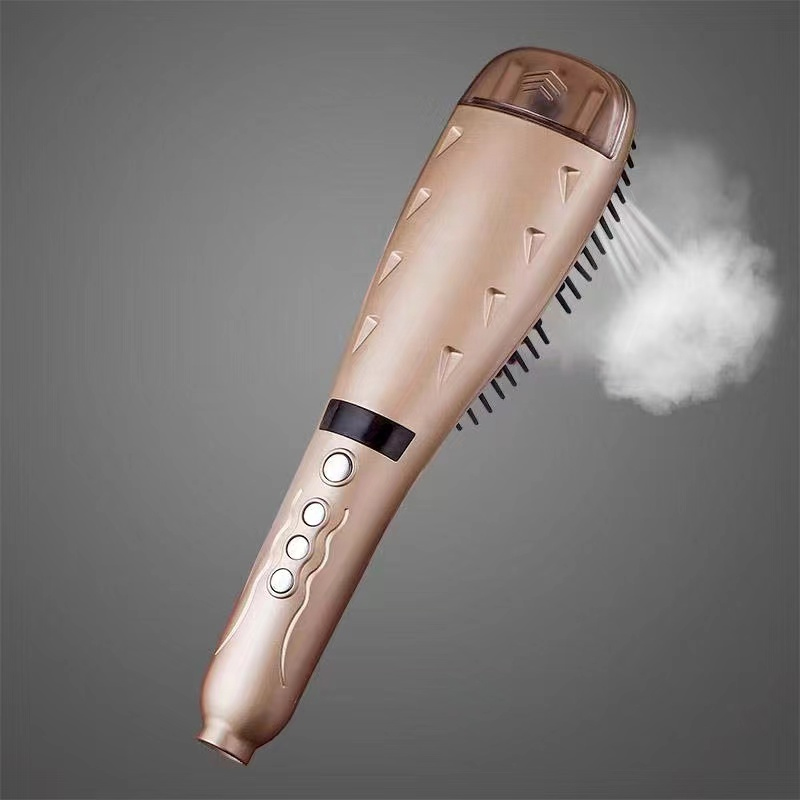
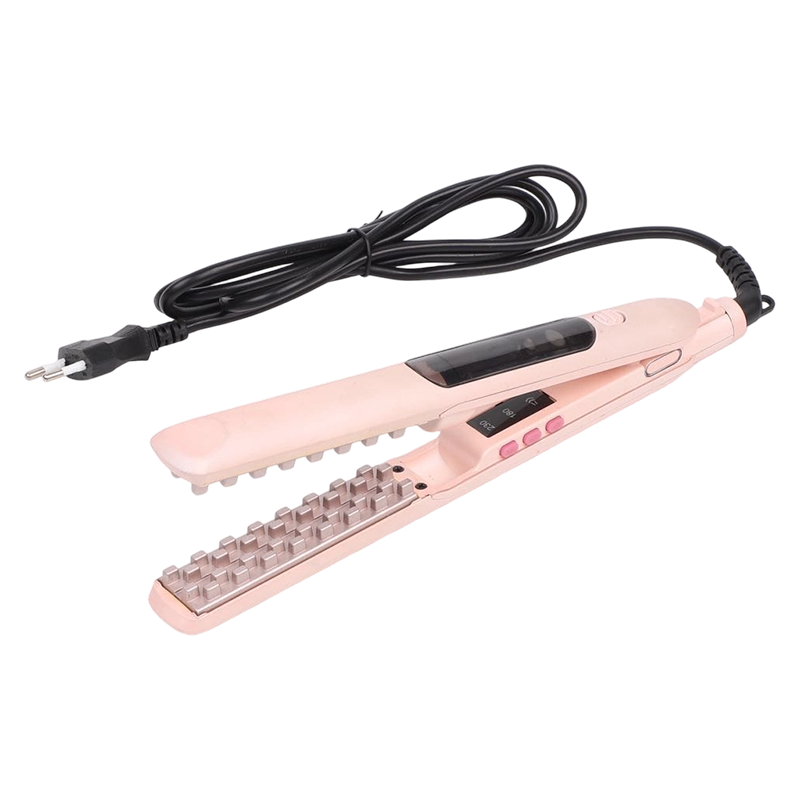 Steam Atomizing Water Ion Hair Conditioner BrushThis brush integrates spray steam and water ions to neutralize static and hydrate hair during styling. With PTC heating, floating plates, and dual voltage, it provides stable temperatures and worldwide usability.View Product →
When sourcing steam products, ask for a sample test across at least three hair types before committing to a large order. This is the simplest way to catch performance issues early.
A Quick Checklist Before You Make a Sourcing Decision
Before a sample order is placed, it helps to compare products against a short set of observable criteria.
- Confirm that steam output is either adjustable or stable across the full heat range.
- Check whether the water reservoir is designed for cleaning without hidden corners.
- Request electrical safety data and insulation material certificates.
- Ask the supplier for feedback from three different hair types.
- Review spare parts and after-sales support plans before placing a large order.
Final Takeaway
A steam hair straightener brush makes a strong case for consumers who want smoother hair without abandoning the idea of protection. For a factory or brand owner, the challenge is knowing what to measure: vapor control, tolerance, material safety, and the way a tool feels in everyday use.
Start with a sample, test it on real hair, and ask the manufacturer about the details that usually remain hidden. Those details are where the difference is made.